Why Pro Players Keep Getting Caught Match Fixing in CS2
Match fixing is one of the ugliest problems competitive gaming can face. It doesn't just cheat an opponent - it cheats the entire audience who believed the outcome was real. Counter-Strike has a long, well documented history with this exact problem, stretching from one of the most infamous scandals in esports history all the way through bans handed down within the last year. Here's how it actually happened - and why it keeps coming back.

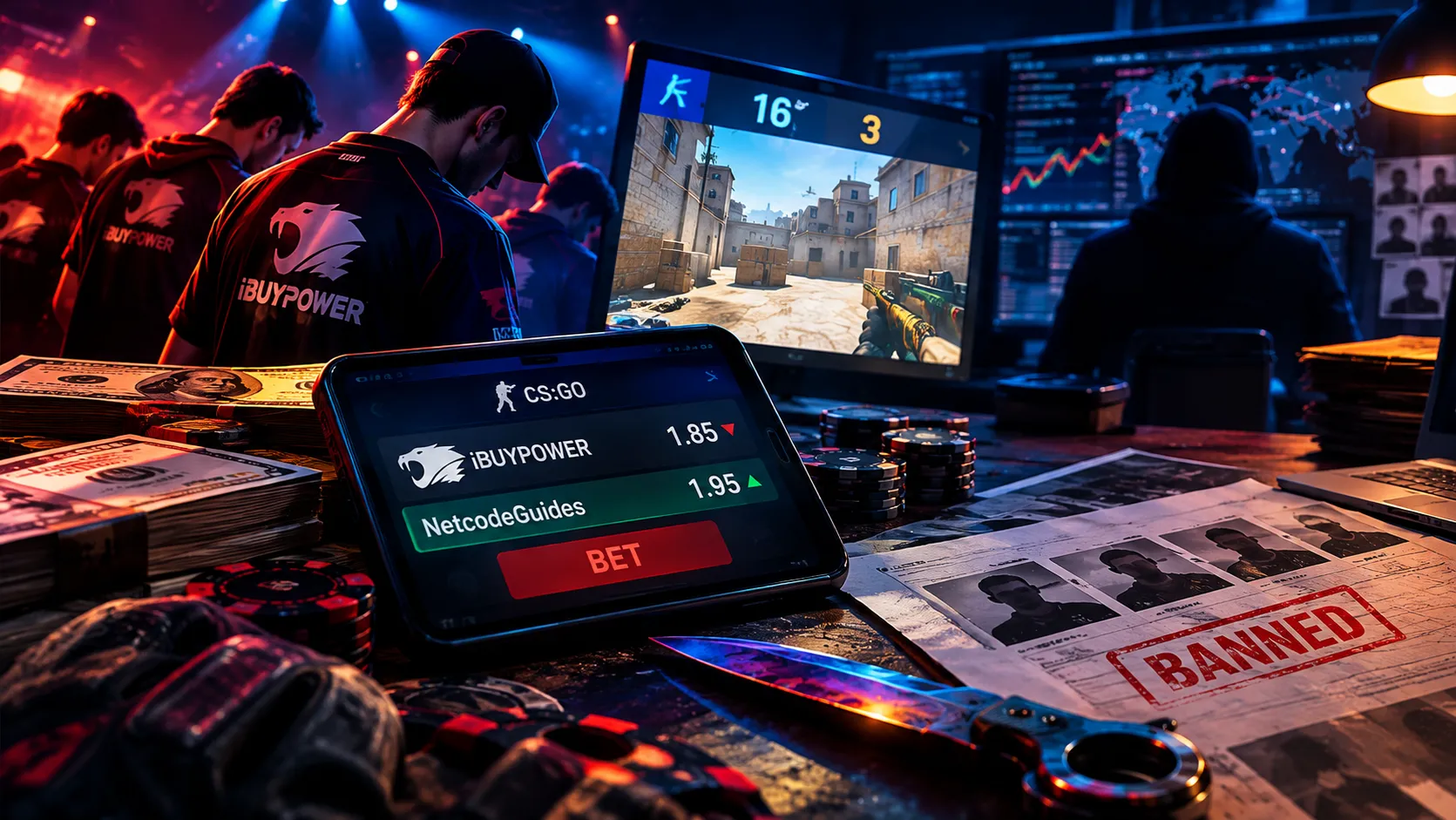
Cheating software gets caught by an algorithm. Match fixing is different - it gets caught by investigators, tipsters, and betting patterns that just don't add up. Counter-Strike has produced some genuinely landmark cases where that kind of investigation actually worked.
The Scandal That Defined the Problem
The most infamous match fixing case in Counter-Strike's history goes back to August 2014, when members of the iBUYPOWER roster deliberately threw a match against NetcodeGuides.com after betting against their own team on CSGOLounge - a skin gambling site that operated with essentially no oversight at the time. The setup was about as straightforward as match fixing gets: bet against yourself, then make sure you lose. Valve's response came in January 2015, permanently banning the core players involved from all Valve sponsored events. The aliases DaZeD, swag, steel, and AZK are the ones most commonly associated with that ban. Third party tournament organizers - CEVO, ESEA, ESL, DreamHack - followed with their own bans shortly after, effectively ending the players' careers at the top level of the game for a full decade.
The aftermath tells its own story about how permanent that kind of ban actually was. Some of the banned players found ways to stay connected to the scene anyway, moving into commentary, analysis, or streaming rather than competing. Others largely faded from view. It wasn't until October 2025, more than ten years after the original ban, that Valve lifted the restriction for two of the players involved, clearing them to return to official Valve events as players, coaches, or analysts. A decade is an enormous consequence for a single thrown match, and that's a big part of why this case still gets cited as the cautionary tale whenever match fixing comes up in Counter-Strike.
It Didn't Stop There
The iBUYPOWER case set the precedent, but it was far from the last time this happened. In April 2024, the Esports Integrity Commission - an independent watchdog that many major tournament operators, including ESL and BLAST, formally recognize - banned CS2 professional Erkhan "gokushima" Bagynanov for two years after finding evidence of match fixing and betting on games, citing violations tied to corruption at ESL and IEM events specifically. His team had benched their entire roster just days before the ban was announced, and he played his final professional match on the same day the ban actually took effect.
More recently, October 2025 brought a fresh wave of enforcement from CCT, a separate tournament organizer, which handed out two year bans to multiple CS2 players found guilty of match fixing across several different teams competing in its events. Around the same period, the Esports Integrity Commission separately banned players and staff from another organization, ATOX Esports, following its own investigation into match fixing within that roster. Put these together and the picture is pretty clear: this isn't a problem Counter-Strike solved after the iBUYPOWER scandal. It's one the scene has had to keep actively policing ever since, right up through the current CS2 era.
Why Skins Made This Problem Worse
It helps to understand why Counter-Strike specifically has produced this many high profile match fixing cases compared to other esports. The game's economy has always run alongside a massive, and for years largely unregulated, skin betting market - giving players and insiders a direct, low friction way to profit from a match outcome they actually had influence over. That's meaningfully different from most traditional sports betting markets, which tend to have far more oversight and far fewer direct connections between the people placing bets and the athletes actually competing. The skin gambling ecosystem that enabled the original iBUYPOWER scandal has faced real scrutiny and some regulatory action since 2014, but the underlying structure that made match fixing so tempting in the first place - easy access to betting markets tied directly to a scene where players and bettors often know each other personally - hasn't fully gone away.
How Punishment Actually Works Now
One detail that's easy to miss: match fixing bans in Counter-Strike don't all come from the same place. Valve issues its own bans directly for events it sponsors, which is what happened to the original iBUYPOWER roster. The Esports Integrity Commission operates independently, issuing bans that are recognized across the tournament organizers who've formally signed onto its code of conduct - that's how the gokushima and ATOX cases were both handled. Individual tournament organizers like CCT can also issue their own bans for their own events, without necessarily involving Valve or ESIC at all. That patchwork of overlapping authorities means a player caught match fixing can face bans from multiple organizations at once, each covering a different slice of the competitive calendar. It's part of why the consequences for a proven case tend to be so comprehensive.
What This Actually Means Going Forward
The honest pattern across a decade of these cases is that match fixing in Counter-Strike gets caught with real consistency, but it never fully stops happening. Every case documented here was eventually discovered and punished, sometimes with career ending severity, and that track record does seem to work as a genuine deterrent for most of the competitive scene. At the same time, new cases keep surfacing almost every year, which suggests the financial incentive to fix a match - particularly in lower tier events with smaller prize pools and less scrutiny - remains strong enough that some players are still willing to risk everything on it.
Follow the Scene, and Keep Your Own Knowledge Honest
Stories like these are a reminder that competitive integrity in Counter-Strike has always been an active fight, not a settled issue. If you want to engage with this game's culture and economy somewhere there's genuinely nothing to fix and no outcome to manipulate, that's exactly what the mini games on CS Guess are built for - testing your knowledge of prices, rarity, and history, with free perks for playing well.
Head over to CS Guess, put your CS2 knowledge to the test, and enjoy a corner of this hobby where the only thing on the line is what you actually know.