CS2 Premier Rank Explained: How the Elo System Really Works in 2026 (And Why You Might Be Stuck)
CS2 ranking isn’t random. It’s momentum-driven, expectation-based, and heavily influenced by consistency. Learn the system — and you’ll climb faster than most players.

If you’ve been grinding CS2 Premier Mode lately, you’ve probably asked yourself at least once:
“Why did I only get +25 for that win… but lost -120 last game?”
You’re not alone.
The CS2 ranking system in 2026 is one of the most discussed topics in the community right now. It looks simple on the surface — win games, gain rating — but under the hood, it’s doing far more than most players realize.
And if you don’t understand how it works, climbing can feel completely random.
The Shift From CS:GO Ranks to CS2 Rating
Back in CS:GO, ranks were hidden behind names like LEM or Global Elite. You won, you ranked up… eventually. But the system was vague, and progression often felt mysterious.
CS2 changed that completely.
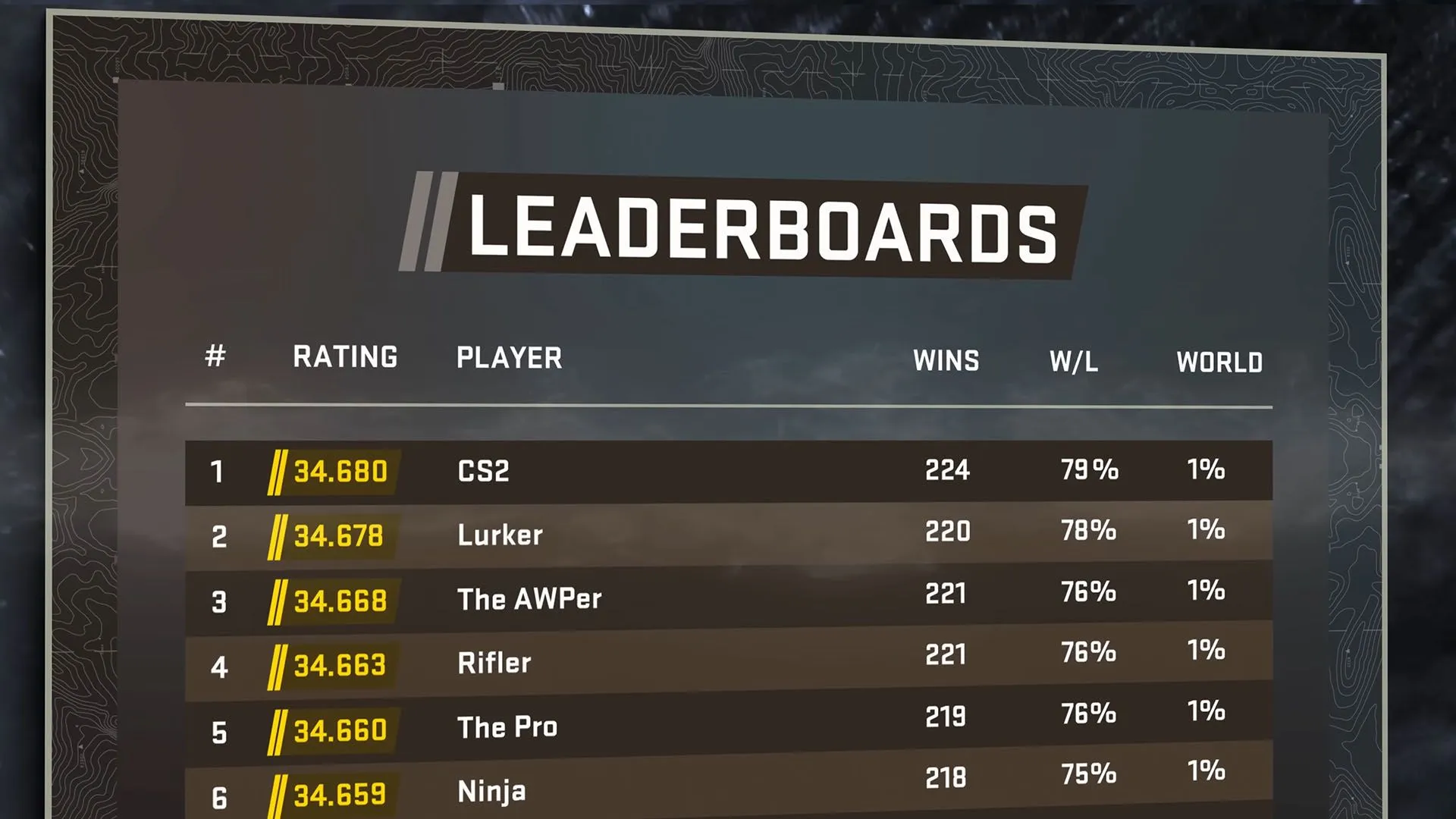
Now, everything revolves around a visible number — your Premier rating (Elo/MMR). It’s clean, transparent, and brutally honest. Every win pushes you forward. Every loss pulls you back.
But here’s the catch:
Not all wins (or losses) are treated equally.
Why Some Wins Feel Worthless — And Others Don’t
One of the biggest frustrations players face is inconsistent rating gains. You dominate one match and barely gain anything. Then you lose a close game and get heavily punished.
This isn’t random. The CS2 Elo system constantly evaluates:
- who you’re playing against
- how strong your team is compared to theirs
- your recent performance trend
- If you beat a stronger team, the system rewards you more. If you lose to a weaker one, it punishes you harder.
It’s not just tracking wins — it’s judging expectations.
The Hidden System Behind Your Visible Rank
Even though you see a number, there’s still a hidden layer (MMR) working behind the scenes.
Think of it like this:
- Your visible rating = what you see
- Your hidden rating = what the system believes you deserve
- When those two don’t match, things feel weird.
That’s when you experience:
- small gains on wins
- heavy losses on defeats
- the feeling of being “stuck”
In reality, the system is trying to pull you toward your “true” level.
Why Streaks Feel So Powerful
If you’ve ever gone on a winning streak in CS2, you’ve probably noticed something strang e:
Suddenly, your rating starts jumping faster.
That’s because the system doesn’t just look at individual matches — it looks at momentum.
Win several games in a row, and CS2 begins to “trust” you more. Lose multiple games, and it becomes more cautious, sometimes even harsh.
This is why two players with identical stats can climb at completely different speeds.
The Real Reason Players Get Stuck
Most players don’t get stuck because of aim.
They get stuck because they misunderstand what the system rewards.
CS2 isn’t just about: getting kills, topping the scoreboard
It’s about: winning rounds consistently, making impactful plays, supporting your team when it matters
You can drop 30 kills and still lose rating if your team loses the match. The system values winning impact, not just numbers.
How the Meta of Ranking Has Changed
The current CS2 Premier meta is less about solo carry and more about controlled, team-based play.
Players are: avoiding risky solo plays, relying more on communication, focusing on consistency rather than highlights
It’s a quieter, smarter version of Counter-Strike — and not everyone has adapted yet.
Community Debate: Is the System Fair?
The community is split right now.
Some players love the new system. They say it rewards consistency, punishes bad habits, and makes ranking feel meaningful.
Others are frustrated. They feel:
- the hidden MMR is confusing
- streaks have too much impact
- progress can feel slow or unfair
And honestly? Both sides have a point.
So… How Do You Actually Climb?
Climbing in CS2 Premier Mode isn’t about playing more. It’s about playing smarter.
The players who rank up fastest are the ones who avoid playing when tilted, prioritize teamwork over ego, understand when to push and when to hold
And most importantly - they build momentum.
Because in CS2 right now, momentum is everything.
Final Thoughts
The CS2 ranking system in 2026 isn’t broken — it’s just misunderstood.
It’s designed to reward consistency, punish careless play, and slowly push every player toward their real skill level.
If you learn how it works, you stop fighting the system… and start using it.
And that’s when ranking up becomes a lot easier.