How to Make Profit with CS2 Skins (Beginner to Advanced)
This guide explains how to make profit with CS2 skins, from beginner-friendly flipping strategies to advanced investment techniques. Learn how the skin market works, how to spot opportunities, and how to avoid common mistakes while growing your inventory.

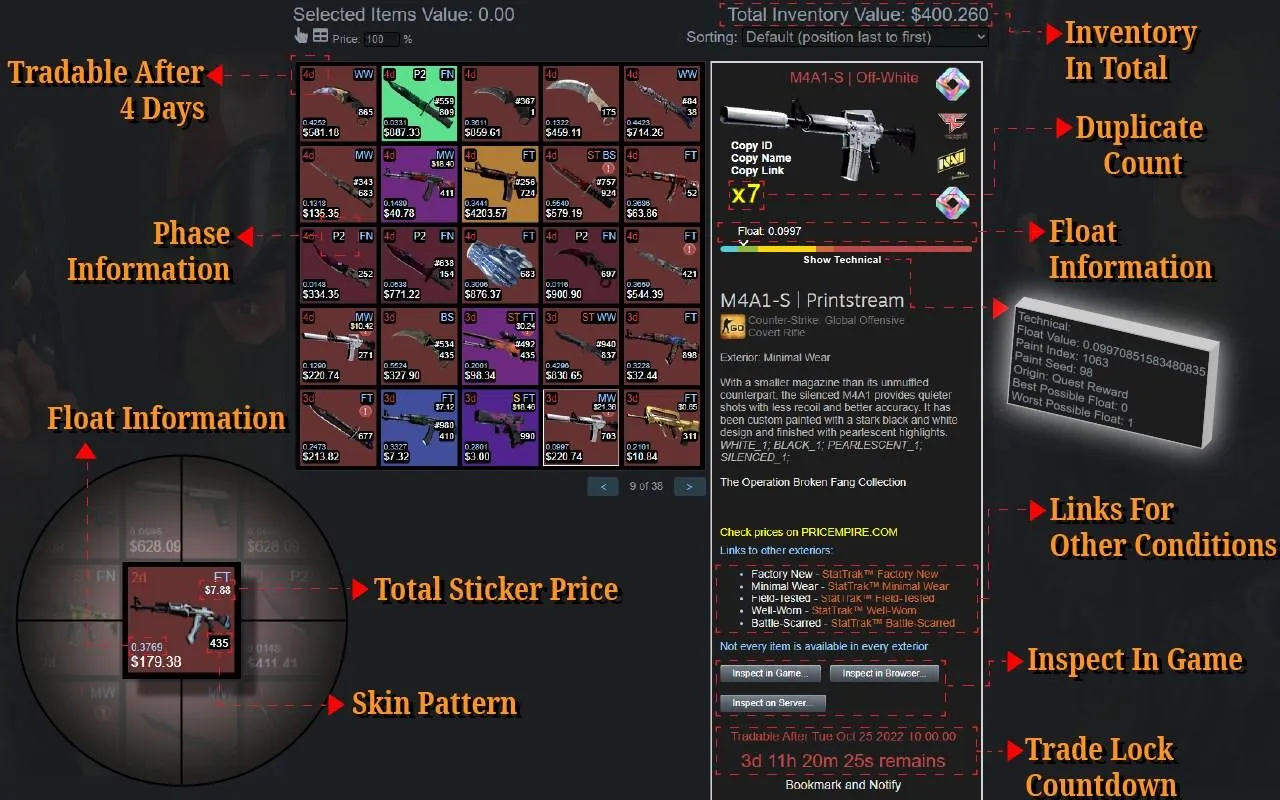
The CS2 skin economy has grown into one of the largest digital item markets in gaming. What started as cosmetic weapon finishes has evolved into a system where players buy, sell, trade, and invest in skins with real financial value. For many users, it is no longer just about aesthetics, but about making profit.
This guide explains how to make profit with CS2 skins, starting from beginner strategies and moving toward more advanced methods used by experienced traders and investors.
Understanding the CS2 Skin Economy
Before trying to make profit, it is important to understand what drives skin prices. Unlike typical in-game items, CS2 skins behave similarly to assets in a marketplace.
Prices are influenced by rarity, demand, float value, pattern variations, case availability, and overall market sentiment. When a case becomes rare or discontinued, the skins inside it often increase in value. When a weapon becomes popular in the meta, demand for its skins rises.
The key idea is simple. Skins gain value when demand increases and supply decreases.
Beginner Level: Safe and Simple Profit Methods
For beginners, the goal should not be fast profit, but consistent and low-risk growth.
One of the easiest ways to start is by buying undervalued skins. These are skins listed below their typical market price, often due to quick sales or lack of awareness. Monitoring marketplaces regularly allows you to spot these opportunities.
Another beginner strategy is using the Steam Market for small flips. You buy a skin at a lower price and sell it slightly higher. The margins are small, but the risk is minimal, and it helps you understand how the market behaves.
Budget skins are also a good entry point. Low-cost skins under ten dollars often fluctuate more in percentage terms, making them easier to trade for small profits.
Patience is essential at this stage. Many beginners lose money by rushing into trades or following hype without understanding value.
Intermediate Level: Trading and Market Timing
Once you understand basic pricing, you can move to more active strategies.
Trading becomes more relevant at this level. Instead of only buying and selling, you exchange skins with other users or platforms to gain value. The goal is to receive skins that are easier to sell or have higher demand.
Market timing is another important factor. Prices often drop during large sales, events, or when new cases are released. This is usually the best time to buy. Prices tend to recover afterward, creating profit opportunities.
You can also start analyzing trends. For example, when a weapon becomes popular in competitive play, its skins often rise in price. Recognizing these patterns early gives you an advantage.
At this stage, many users begin exploring third-party platforms where prices can differ from the Steam Market. These differences create arbitrage opportunities, where the same skin can be bought cheaper on one platform and sold higher on another.
Advanced Level: Investment and Scaling
Advanced users treat CS2 skins as a long-term investment.
Instead of focusing on quick flips, they identify skins with strong growth potential. These are usually tied to discontinued cases, rare collections, or unique patterns. Over time, as supply decreases, these skins become more valuable.
High-tier items such as knives and rare gloves often behave like premium assets. Their prices can increase significantly, especially during market hype or major updates.
Diversification is important. Instead of investing in one skin, experienced traders spread their capital across multiple items to reduce risk.
Another advanced strategy is understanding market psychology. Prices are not driven only by logic, but also by hype, fear, and speculation. When the market is overly excited, prices are often inflated. When panic selling happens, valuable skins can become undervalued.
Recognizing these moments is what separates experienced investors from beginners.
Risk Management
Making profit with CS2 skins is possible, but it is not risk-free.
Scams are one of the biggest threats. Always double-check trades, avoid suspicious links, and use trusted platforms.
Market volatility is another factor. Prices can drop quickly, especially after updates or changes in demand. Never invest more than you are willing to lose.
It is also important to avoid emotional decisions. Many users lose money by chasing trends or panic selling.
Common Mistakes to Avoid
One of the most common mistakes is buying skins purely because they look good, without considering demand or rarity.
Another mistake is ignoring fees. Platforms often take a percentage from each transaction, which can significantly reduce profit if not calculated properly.
Overtrading is also a problem. Making too many trades without clear strategy often leads to losses instead of gains.
Final Thoughts
Making profit with CS2 skins is a combination of knowledge, timing, and discipline. Beginners should focus on understanding the market and making small, consistent gains. As experience grows, more advanced strategies such as trading, arbitrage, and long-term investment become available.
The most successful users treat the skin market seriously. They analyze trends, manage risk, and make decisions based on data rather than эмоции.
With the right approach, CS2 skins can become more than just cosmetic items. They can be a real opportunity to generate profit in a growing digital economy.